The Houthi militias employ the civil communications network in the war
Listen to the article. The audio text is automated, generated by an automated system
New Face 24
·3 دقائق read
Listen to the article. The audio text is automated, generated by an automated system
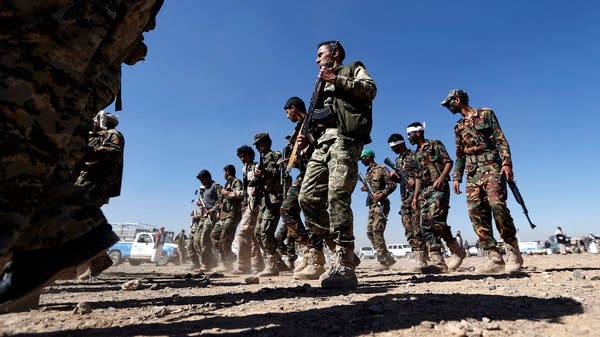
The Yemeni Ministry of Communications and Information Technology strongly condemned the Houthi militia's use of civilian communications networks and services as a weapon in its war against the people, warning of the serious risks resulting from employing this vital sector for military and security purposes.
The Ministry confirmed in a statement published by Information Minister Muammar Al-Eryani through his account on the “X” platform, today, Wednesday, that transforming the communications sector from a national facility dedicated to serving citizens into a tool to support terrorist military operations exposes citizens and the communications infrastructure and its vital facilities to serious risks.
The Ministry also condemned the militia's interruption of Internet and communications services in Taiz Governorate, as part of its systematic practices against civilians, warning of the dangers of exploiting this interruption to cover up the violations they are exposed to, and depriving them of their most basic human rights, most importantly their right to communicate and obtain basic services.
It also explained that the militia has increasingly been using communications networks and infrastructure under its control to support its terrorist military operations, employing them in activities related to the operation of drones and projectiles, and carrying out espionage, surveillance, and information collection operations, including information related to citizens, in violation of their privacy and security.
She added that the Houthis used civilian networks to spread fake news, spread rumors and misleading information that serve their goals, and send them to citizens in various regions, in addition to deliberately cutting off services in areas of clashes and using them to serve their military and security purposes.
It also confirmed that these practices reflect the militia's repeated approach to transforming this service and civilian sector into a tool in its terrorist military and security operations, holding the Houthis fully responsible for the consequences and repercussions of involving the communications sector, its facilities and infrastructure in the conflict, and the resulting serious damage to citizens, basic services and national infrastructure.
She stressed that this behavior constitutes a flagrant violation of international humanitarian law and the Geneva Conventions, which prohibit the use of civilian facilities for military purposes and expose them to the risk of being targeted.
It also called on the international community, the United Nations, and the International Telecommunication Union (ITU) to take a firm stance on these practices, and to put pressure on the Houthis to stop the politicization of the communications sector, and to criminalize the use of civilian infrastructure in military operations.
She concluded by warning citizens in areas under the militia’s control of the dangers of surveillance and espionage through the networks it manages, calling for caution when using them.
It also appealed to engineers, technicians and workers in the communications sector in Sanaa to adhere to their professional and national responsibilities, and not to respond to any directives aimed at harnessing civilian networks to serve military operations, espionage, or harming citizens, and to work to protect facilities and equipment and ensure the continuation of services away from military and terrorist security uses.
While she confirmed that the government is working to provide safe and independent alternatives for communications and the Internet in the liberated areas, to ensure that service is not interrupted for citizens.
Yesterday, Tuesday, the Yemeni Presidential Leadership Council directed the security and military services to take urgent measures to pursue those involved in spying with the Houthis or financing their activities and providing support to them, warning that the penalties prescribed for some crimes affecting the security of the state, divulging defense secrets, and aiding the enemy may reach death penalty.
Suggested
Read also
 Sports
Before his country hosts the Saudi Super Cup, a Kuwaiti sports official reveals his wish for Ronaldo
 World
WorldThe Central Agency and the Insurance Unit are looking into updating the data of illegal residents in Kuwait
 Politics